
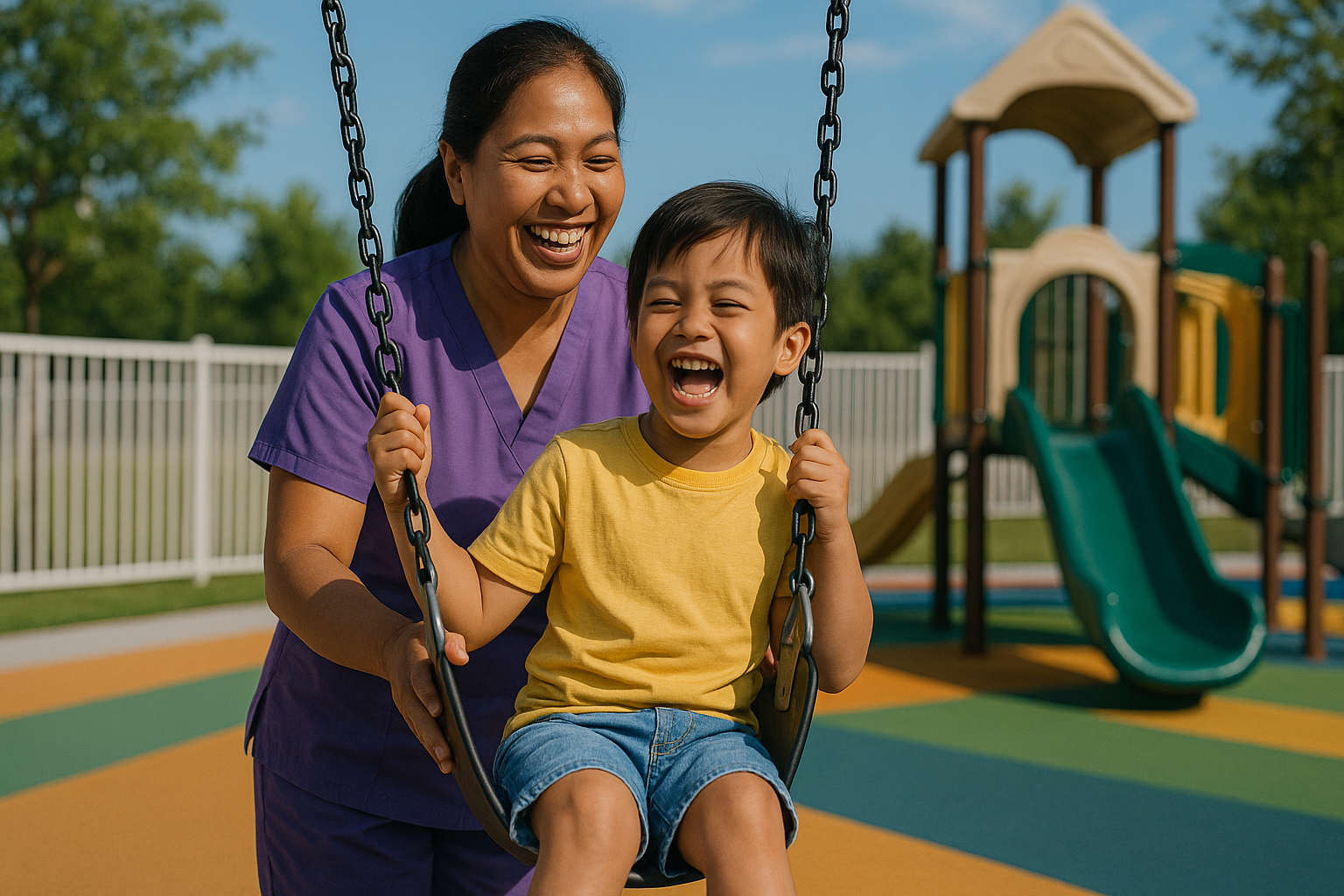
Tips on Hiring a Yaya (Nanny) in the Philippines: A Complete Guide for Parents
Hiring a trustworthy and reliable yaya (nanny) is one of the most important decisions parents make, especially when balancing work and family life. In the Philippines, many families rely on yayas to care for their children at home, but finding the right person takes careful planning, screening, and communication.
Here’s a comprehensive guide with practical tips on how to find, hire, and retain a good yaya —ensuring your child is in safe, capable hands.
1. Start With a Clear Job Description
Before searching for a yaya, write down a detailed list of duties you expect from her. Ask yourself:
Will she care for infants, toddlers, or school-aged children?
Will she cook, clean, or help with homework?
Is she expected to live in or commute daily?
What are her daily working hours?
Setting clear expectations from the beginning avoids confusion later.
2. Where to Find a Yaya
Referrals: Ask trusted friends, neighbors, or family.
Agencies: Licensed nanny agencies can help with screening and replacements.
Online Platforms: Local Facebook groups or job boards like WorkAbroad.ph or PinoyJobs.ph can connect you with candidates, but extra vetting is essential.
Barangay Bulletin Boards: In rural areas or smaller towns, local postings still work.
3. Verify Identity and Background
Security should never be compromised, especially when someone will care for your child in your home.
Valid IDs: Ask for at least two government-issued IDs (e.g., PhilHealth, SSS, or Postal ID).
NBI Clearance or Police Clearance: This ensures no criminal record.
Barangay Clearance: Helpful for character references from the local community.
Birth Certificate: Confirms age and identity.
4. Conduct Reference and Background Checks
Always speak to past employers. Ask questions like:
How long did she stay?
What were her responsibilities?
Any incidents or concerns?
Why did she leave?
Look for yayas who stayed long-term in previous jobs. Short-term stints without good explanations may be a red flag.
5. Interview with Care
When interviewing a yaya, ask questions such as:
What’s your experience with children?
How would you respond if the child gets injured or throws a tantrum?
Are you comfortable with household chores?
Are you willing to undergo training?
Assess her personality—kindness, patience, alertness, and cleanliness are key.
6. Set the Salary and Benefits
Yaya salaries in the Philippines vary depending on location and experience:
Metro Manila Rate: ₱6,000 to ₱10,000/month for full-time yayas.
Experienced or trained yayas: ₱10,000 to ₱15,000/month or more.
Provincial Rate: ₱4,000 to ₱7,000/month.
Other benefits may include:
Free meals and accommodation (for stay-in yayas)
SSS, PhilHealth, and Pag-IBIG contributions**
13th-month pay
Rest day (typically Sunday)
Paid holidays and time off
Annual performance bonus or holiday gifts
7. Living Arrangements
Decide whether the yaya will:
Live-in: Must have her own private sleeping area, preferably with basic privacy and comfort.
Live-out: Will need daily transportation allowance or reliable transit access.
Stay-in yayas are more convenient but may require stricter boundaries and scheduled time off.
8. Prepare a Written Work Agreement
It’s wise to have a simple employment contract that outlines:
Working hours and rest days
List of duties
Salary and benefits
House rules (e.g., phone use, visitors, food)
Grounds for termination
Both parties should sign and keep a copy.
9. Child Safety Training
Your yaya should either have basic child safety and first aid training, or be willing to learn.
Topics to cover include:
Infant CPR and choking response
Burn and wound care
Childproofing and safe play practices
Emergency contacts and evacuation plans
Consider enrolling her in a nanny or yaya in SafeNest’s Child Safety course, available via online training, group seminars or in-home private training.
10. Prevent Employment Turnover
Good yayas are in high demand. To keep yours:
Treat her with respect and kindness
Offer consistent pay and time off
Provide occasional rewards or incentives
Communicate openly—ask for her feedback and listen
Be clear, but flexible when appropriate
Yayas often leave when they feel overworked, unappreciated, or confused about their duties.
11. Orientation and Trial Period
Start with a 1-2 week probation to observe how she interacts with your child and how she performs her tasks. Offer guidance and correction early on to set her up for success.
12. Trust But Monitor
Install baby monitors or CCTV if it gives you peace of mind—but don’t rely solely on surveillance. Drop in unannounced, talk to your child about their day, and keep communication open with your yaya.
Final Thoughts
Hiring the right yaya in the Philippines takes effort, but the reward is peace of mind and a happier home. Be thorough in your vetting, fair in your treatment, and proactive in training. A well-supported yaya can become a loyal, loving part of your child’s life.
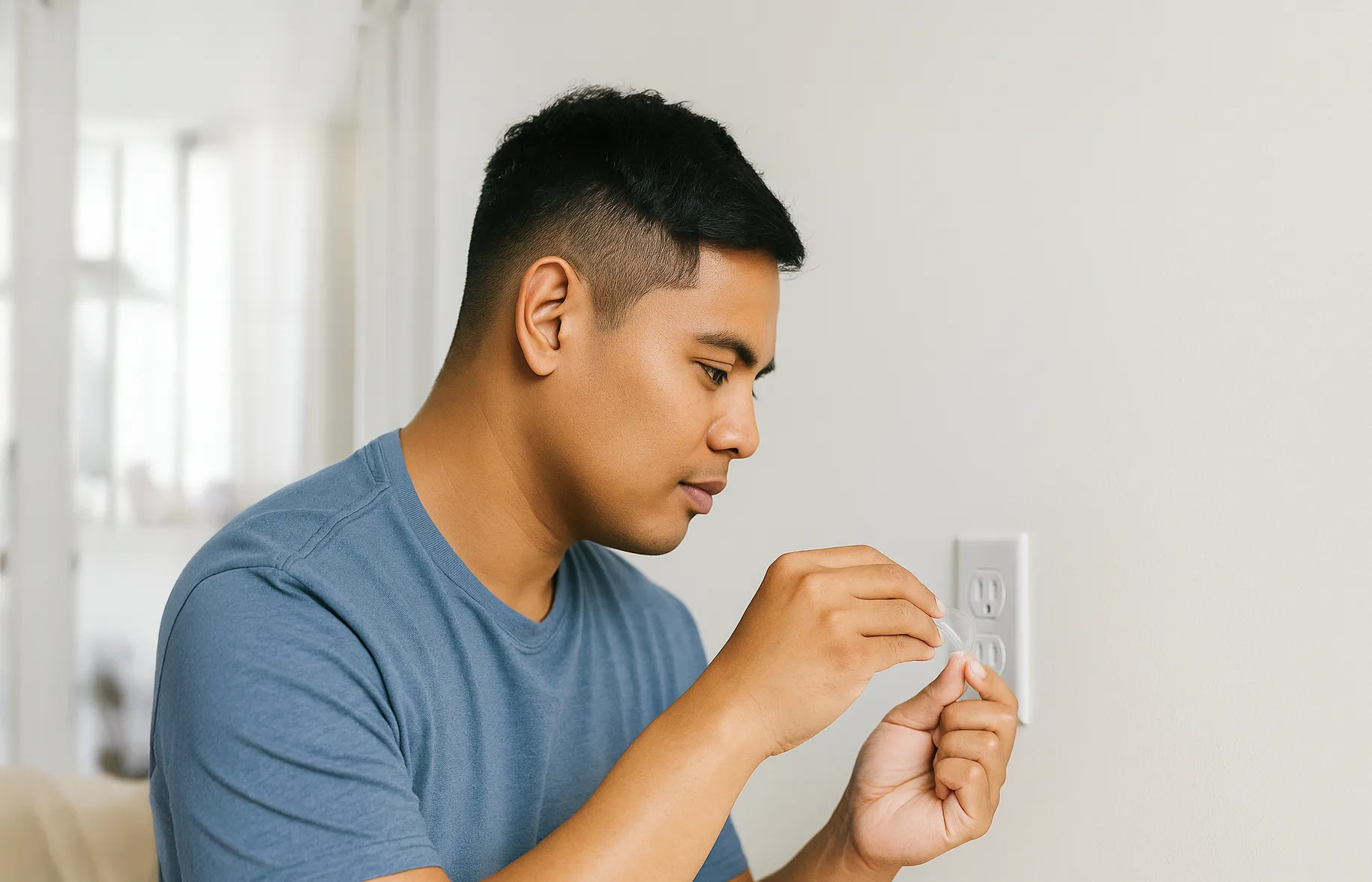
Common Household Hazards to Protect Your Children From
Your home should be a safe space for your children—but everyday items and layouts can pose serious dangers. Here’s how to identify and child-proof common household hazards.
🧵 1. Blind Cords and Roller Shade Cables
The Risk:
Children can accidentally get entangled in long cords, which poses a serious strangulation
hazard.
Prevention Tips:
Use cordless window coverings when possible.
Install cord winders, cleats, or tension devices to keep cords out of reach.
Never place a crib, bed, or play area near windows with accessible cords.
🔌 2. Electrical Outlets and Power Cords
The Risk:
Curious fingers may poke into outlets or chew on cords, risking shock or burns.
Prevention Tips:
Use outlet covers or tamper-resistant receptacles (TRRs).
Hide or secure power cords with cord shorteners or covers.
Unplug appliances when not in use and store cords out of reach.
🪜 3. Furniture and Heavy Items That Can Tip Over
The Risk:
Children may try to climb bookshelves, TVs, or dressers, causing them to tip and fall.
Prevention Tips:
Anchor furniture and TVs to the wall using safety straps.
Keep heavier items on lower shelves.
Don’t place tempting objects (toys, remotes) on top of unstable furniture.
🚪 4. Doors, Drawers, and Pinch Points
The Risk:
Little fingers can easily get caught in closing doors or drawers.
Prevention Tips:
Install soft-close mechanisms or pinch guards on doors.
Use drawer stoppers to prevent them from being pulled out completely.
Consider door stoppers to prevent slamming.
🧴 5. Cleaning Supplies and Chemical Products
The Risk:
Many household cleaners, including detergents and disinfectants, are toxic if ingested or
inhaled.
Prevention Tips:
Store all chemicals in high cabinets or locked cupboards.
Use child-resistant locks on under-sink cabinets.
Choose non-toxic, child-safe cleaning products when possible.
💊 6. Medications and Vitamins
The Risk:
Even small amounts of adult medicine, pain relievers, or vitamins (especially gummies) can be
harmful to kids.
Prevention Tips:
Store medications in a locked cabinet, out of sight and reach.
Never refer to medicine as “candy.”
Keep pill organizers and purses (which may contain medicine) away from children.
🍷 7. Alcohol and Tobacco Products
The Risk:
Children may accidentally ingest alcoholic drinks or nicotine products, leading to poisoning.
Prevention Tips:
Lock up alcohol and store it high.
Keep cigarettes, vapes, and lighters completely out of reach.
Don’t smoke or vape indoors around children.
💧 8. Drowning Hazards (Not Just Pools!)
The Risk:
Children can drown in as little as 1–2 inches of water.
Prevention Tips:
Never leave young children alone in the bath.
Empty buckets, basins, and inflatable pools after use.
Install toilet locks and keep bathroom doors closed.
🔥 9. Stoves, Ovens, and Hot Appliances
The Risk:
Hot surfaces can burn little hands quickly, even after being turned off.
Prevention Tips:
Use stove knob covers and keep handles turned inward.
Install a safety gate to block off the kitchen.
Keep hot beverages, irons, and hair tools out of reach when in use or cooling.
🧩 10. Choking Hazards
The Risk:
Small toys, coins, batteries, and food pieces can block airways.
Prevention Tips:
Follow age recommendations on toys.
Avoid giving hard candy, popcorn, grapes, or nuts to toddlers.
Get on the floor and look for small items your child could put in their mouth.
🧼 11. Slippery Floors and Sharp Corners
The Risk:
Falls are a leading cause of injury in young children.
Prevention Tips:
Use non-slip mats in bathrooms and kitchens.
Secure rugs with grip pads or remove them entirely.
Add corner guards to tables and counters.
🚫 12. Open Windows and Balconies
The Risk:
Falls from windows or balconies can be fatal.
Prevention Tips:
Install window guards or stops to limit how far windows can open.
Never rely on screens to prevent a fall.
Always supervise children on balconies; install high locks and barriers.
🧯 Final Thoughts
Childproofing your home is not a one-time task—it’s an ongoing process as your child grows
and becomes more mobile and curious. Regularly scan your home from your child’s eye level,
and consider taking a child safety course to stay informed.
Need help teaching your nanny or caregiver how to create a safe home environment?
We offer child safety training programs for parents and yayas—online and in-person. Contact
SafeNest today to learn more.
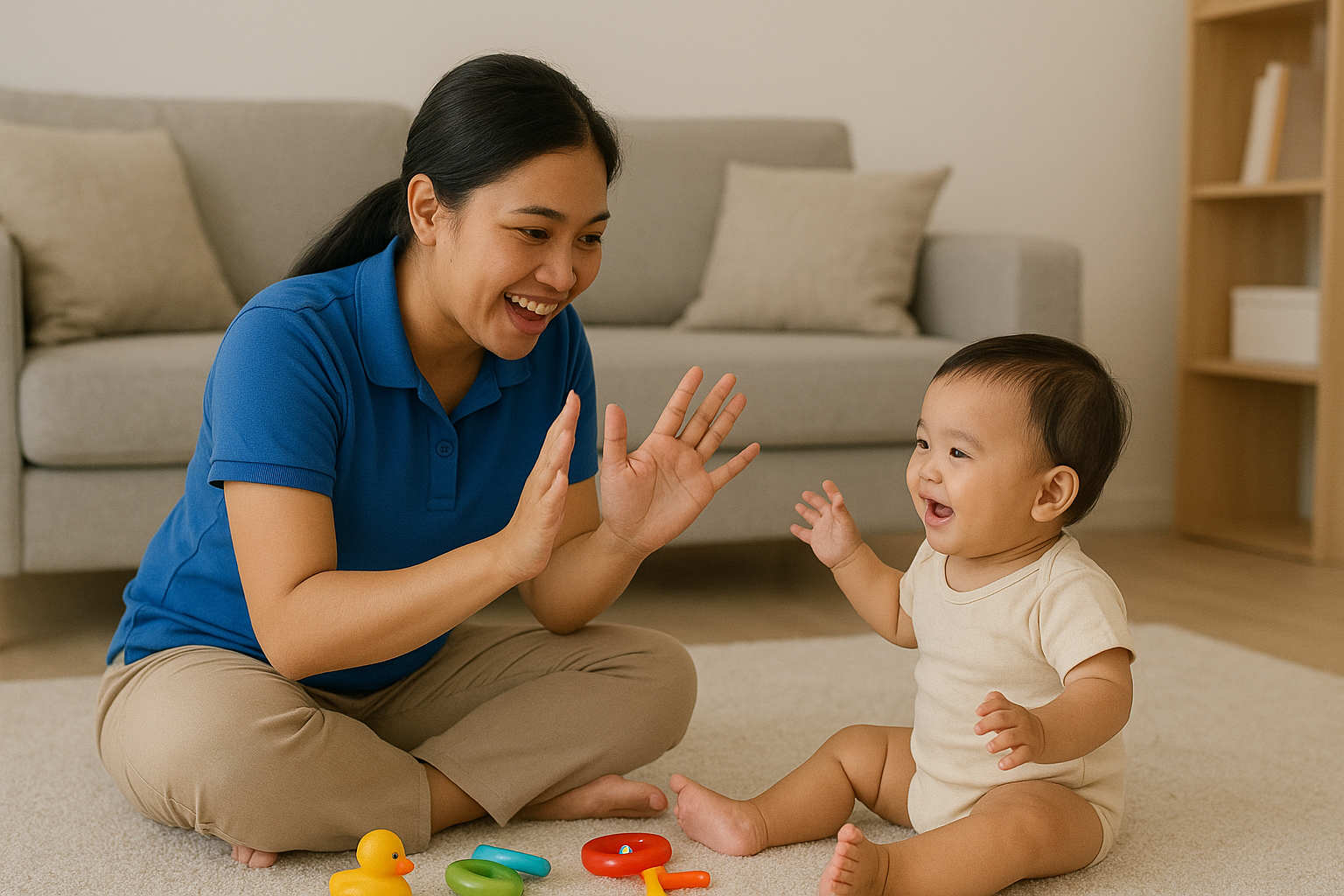
CAREGIVERS ON THE FRONTLINE
Caregiver safety training Philippines, yaya safety skills, childcare provider CPR training, caregiver emergency preparedness
Caregivers on the Frontline: Safety Skills Every Yaya or Childcare Provider Must Know
Caring for a child is more than supervision—it is responsibility, preparedness, and quick decision-making in critical moments. In the Philippines, where many families rely on yayas and childcare providers, safety training is no longer a “nice-to-have,” but a necessity.
Why Safety Training Matters for Caregivers
Caregivers are often the first responders when accidents happen at home. From choking incidents to falls and sudden illness, the caregiver’s response in the first few minutes can make a life-saving difference.
Without proper training, even well-meaning caregivers may panic or follow outdated advice. Structured caregiver safety training equips them with confidence, clarity, and correct action steps.
Essential Safety Skills Every Caregiver Should Have
1. Infant and Child CPR
Knowing how to perform CPR on babies and young children is critical. Child CPR techniques differ from adult CPR, and incorrect application can cause harm.
2. Choking First Aid
Caregivers must recognize choking signs and know age-appropriate responses, including back blows and chest thrusts.
3. Emergency Awareness and Prevention
Understanding household hazards, safe sleep practices, and supervision risks helps prevent emergencies before they happen.
4. Calm Decision-Making Under Pressure
Training helps caregivers remain calm, assess the situation, and act effectively instead of freezing or panicking.
How Safety Training Benefits Parents
Parents gain peace of mind knowing their child is in capable hands. Trained caregivers build trust and professionalism, strengthening the parent–caregiver relationship.
At SafeNest, our caregiver-focused training programs ensure that yayas and childcare providers are not just caring—but capable, confident, and prepared.
Stand out as a trained, safety-ready caregiver. Choose Online Master Class, In-Person Group Training, or Private In-Home Training and get certified. Just click the Our Services button.
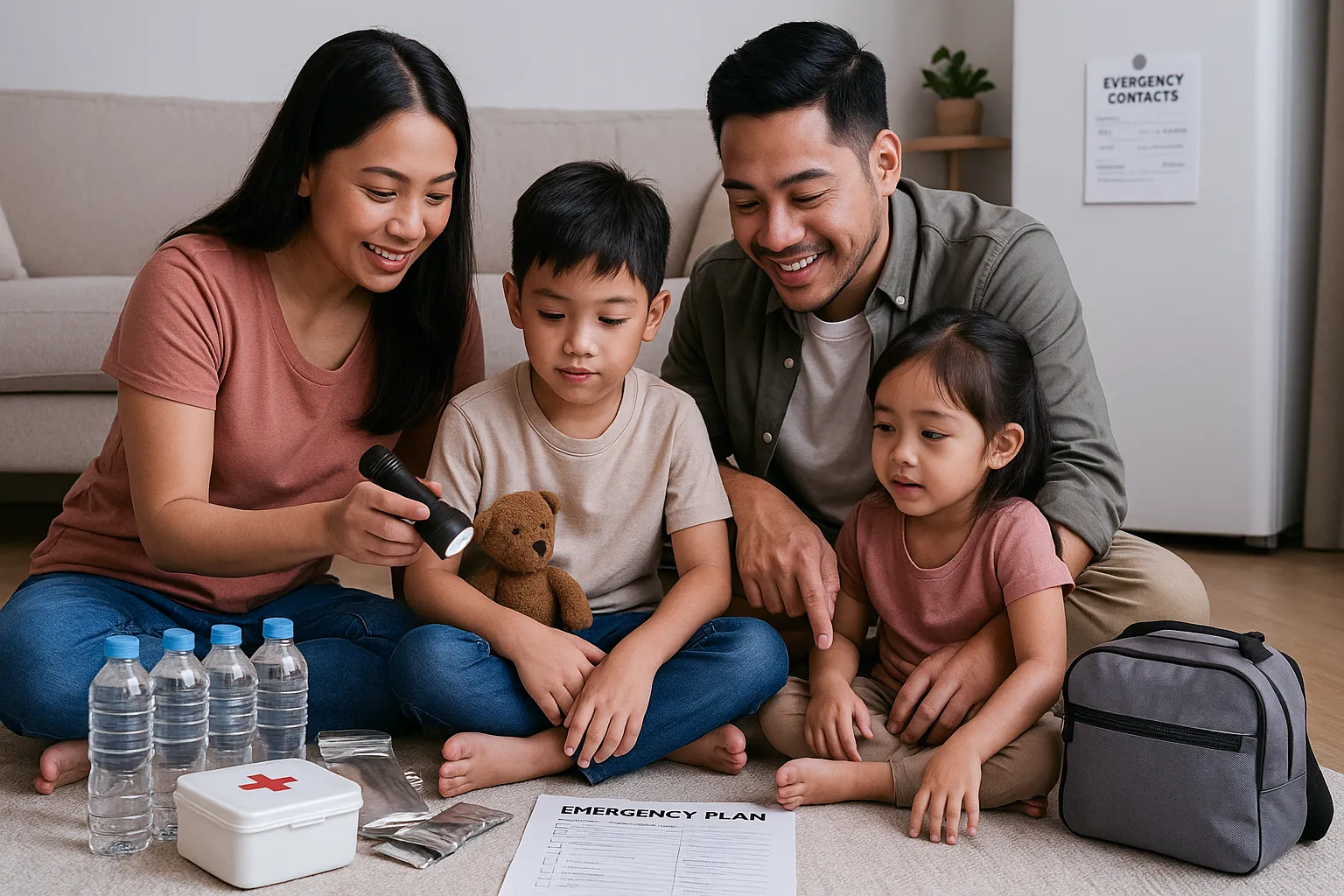
CREATING A SAFER COMMUNITY
Child safety in condominiums, community child safety programs, emergency preparedness training Philippines, condo safety for families
Creating a Safer Community: How Condominiums and Neighborhoods Can Protect Children
Child safety doesn’t stop at the front door. Shared spaces like condominiums, villages, and residential communities play a major role in keeping children safe.
Common Risks in Community Spaces
● Swimming pools
● Playgrounds
● Elevators and parking areas
● Crowded common areas
Without trained staff and informed residents, emergencies in these spaces can escalate quickly.
How Communities Can Improve Child Safety
1. Train Security and Staff
Security guards and admin staff are often first on the scene. CPR and first aid training equips them to respond effectively.
2. Educate Parents and Caregivers
Community-based safety talks create awareness and shared responsibility among residents.
3. Establish Clear Emergency Protocols
Knowing who to call, where equipment is located, and how to respond saves valuable time.
Building a Culture of Preparedness
A child-safe community is not built by rules alone—it is built through education, practice, and collaboration.
SafeNest works with condominiums and neighborhood associations to deliver in-person group training that strengthens safety, trust, and community confidence.
Bring safety closer to your community. Book an In-Person Group Training now for your school, daycare, or condominium. Just click here to contact us.
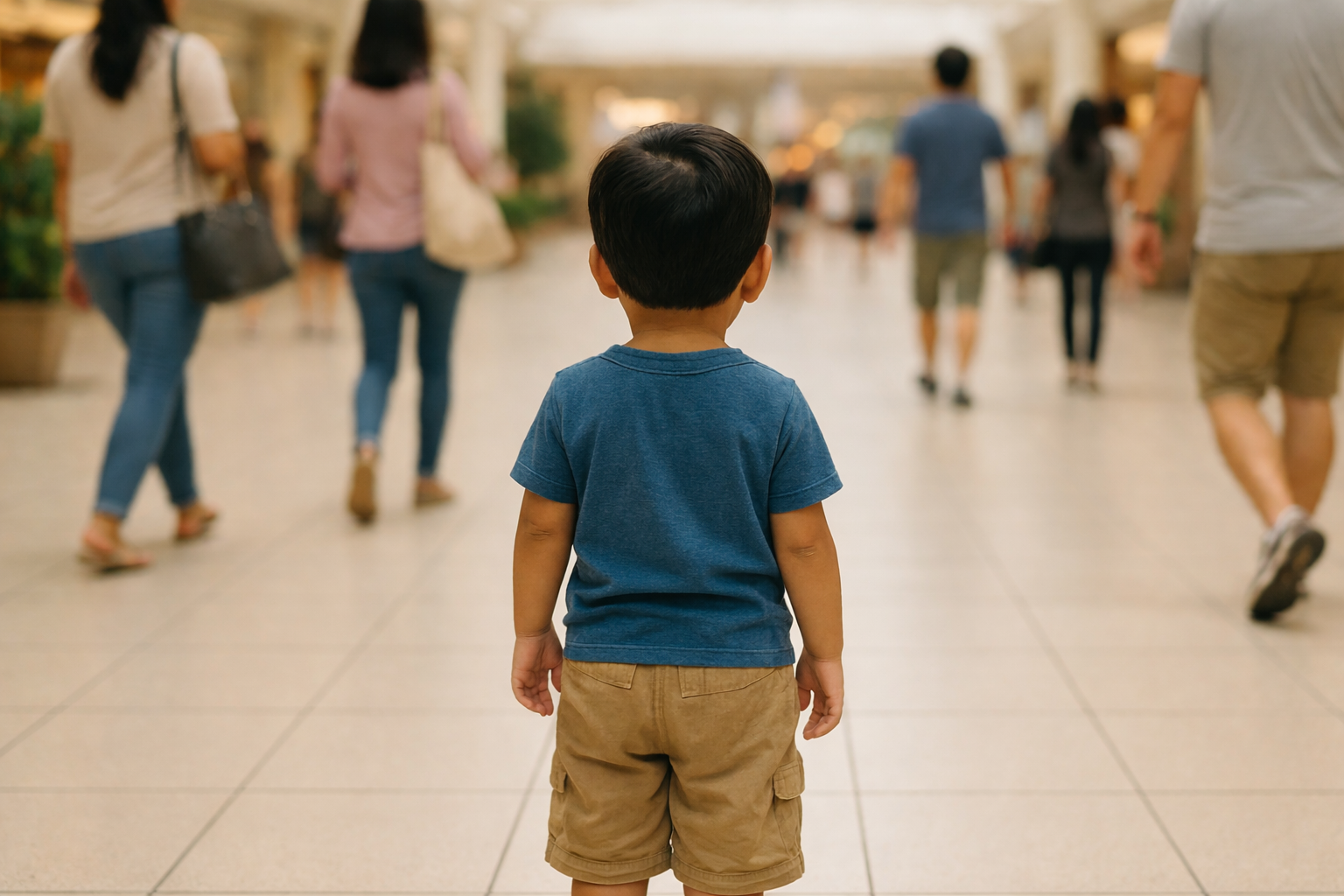
EVERY PARENT’S NIGHTMARE
Lost child Metro Manila, what to do if child lost Philippines, child safety in malls Metro Manila, missing children Philippines tips
Every Parent’s Nightmare: What to Do If Your Child Gets Lost in Public
Metro Manila is one of the busiest and most densely populated urban areas in the Philippines—with millions moving through malls, public spaces, streets, and transport hubs every day. This lively city offers family fun, especially on weekends when many Filipino families make mall outings a regular tradition. But busy crowds come with higher chances of children unintentionally getting separated from their caregivers.
At SafeNest, we train parents, caregivers, and institutions to respond calmly, quickly, and correctly when these moments happen—because the first few minutes matter most.
Why It Happens
With crowded malls, large parking lots, and long queues, even the most vigilant parents can experience the momentary panic of a lost child. In public spaces packed with people, noise, and visual distractions, younger kids can easily wander off or get disoriented.
What to Do Immediately
If you realize your child is missing:
1. Stay calm but act quickly.
Moving frantically can make communication harder and slow down effective response.
2. Alert mall or venue security right away.
Most major malls in Metro Manila have public announcement systems and trained personnel who can start a lost child alert and help search systematically.
3. Retrace your last steps together quickly.
Check stores, restrooms, entrances/exits, and common waiting areas near where you last saw your child.
4. Describe clearly who you’re looking for.
Provide the child’s name, clothing, and what they look like to security teams. Also give your location and phone number.
What to Teach Your Child
Preparing your child in advance can help them stay safe and be found faster:
● Teach them to stay in one place if they realize they’re lost.
● Show them where to find a safe adult—like a uniformed security guard, store staff, or mom/dad with kids.
● Memorize your phone number and family name if age-appropriate.
Child Safety in the Philippines
Official nationwide statistics on missing children are limited, but it’s estimated that around 35,000 persons—some of whom are children—are reported missing in the Philippines each year across all ages (according to SunStar Publishing Inc.)
While this figure doesn’t specify children alone, it highlights that missing persons cases are not uncommon here.
Additionally, the Philippines has about 250,000 street children, many of whom are vulnerable and unsupervised—underscoring how easy it is for children to become separated or overlooked in public spaces.
Why Training Matters—Not Just Awareness
In the Philippines, thousands of missing persons are reported yearly across age groups, and crowded urban environments increase risk. While many cases are resolved quickly, confusion and delayed action often make situations more stressful than necessary.
SafeNest’s child care safety trainings equip families, caregivers, and staff with rehearsed response systems, not just tips. When everyone knows what to do, reunions happen faster and safer.
Final Tips
● Always keep a photograph of your child on your phone with today’s outfit.
● Teach them what a safe adult looks like (security, staff) and where to stay put if separated.
● Always have a meeting spot decided before entering crowded venues.
By combining quick action, proactive teaching, and familiarity with public safety procedures, parents can greatly reduce the stress and risk of lost child situations in crowded Metro Manila spaces.
Malls will always be part of Filipino family culture. The goal isn’t to avoid them—but to enter them prepared.
Equip yourself before an emergency happens.
SafeNest offers child safety and emergency response training for parents, caregivers, schools, and communities in Metro Manila.
👉 Book a SafeNest training session or inquire about group programs today.
EARTHQUAKE PREPAREDNESS
Earthquake preparedness Philippines, earthquake safety at home, safe spots in house earthquake, family evacuation plan Philippines, go bag essentials
Earthquake Preparedness in the Philippines: How Families Can Stay Safe at Home
Earthquakes are a constant risk in the Philippines, and recent tremors have reminded Metro Manila families that preparedness cannot be postponed. While we cannot predict when an earthquake will strike, we can control how ready our homes—and our families—are.
At SafeNest, earthquake preparedness is a critical part of our child care safety training programs. Knowing where to go, what to grab, and how to protect children can save lives.
Identifying Safe Areas Inside the Home
Before an earthquake, identify safe locations where your family can take cover:
● Under sturdy furniture like heavy tables or desks
● Against interior walls, away from windows and glass
● Not near tall shelves or heavy decorations that could fall
Also, keep beds positioned away from windows and glass doors to prevent injuries from broken glass.
Practice the Right Response: Drop, Cover, and Hold
During shaking:
● Drop to your knees
● Cover your head and neck under sturdy furniture
● Hold tight until the shaking stops
SafeNest trainings emphasize practicing this response with children so it becomes instinctive rather than frightening.
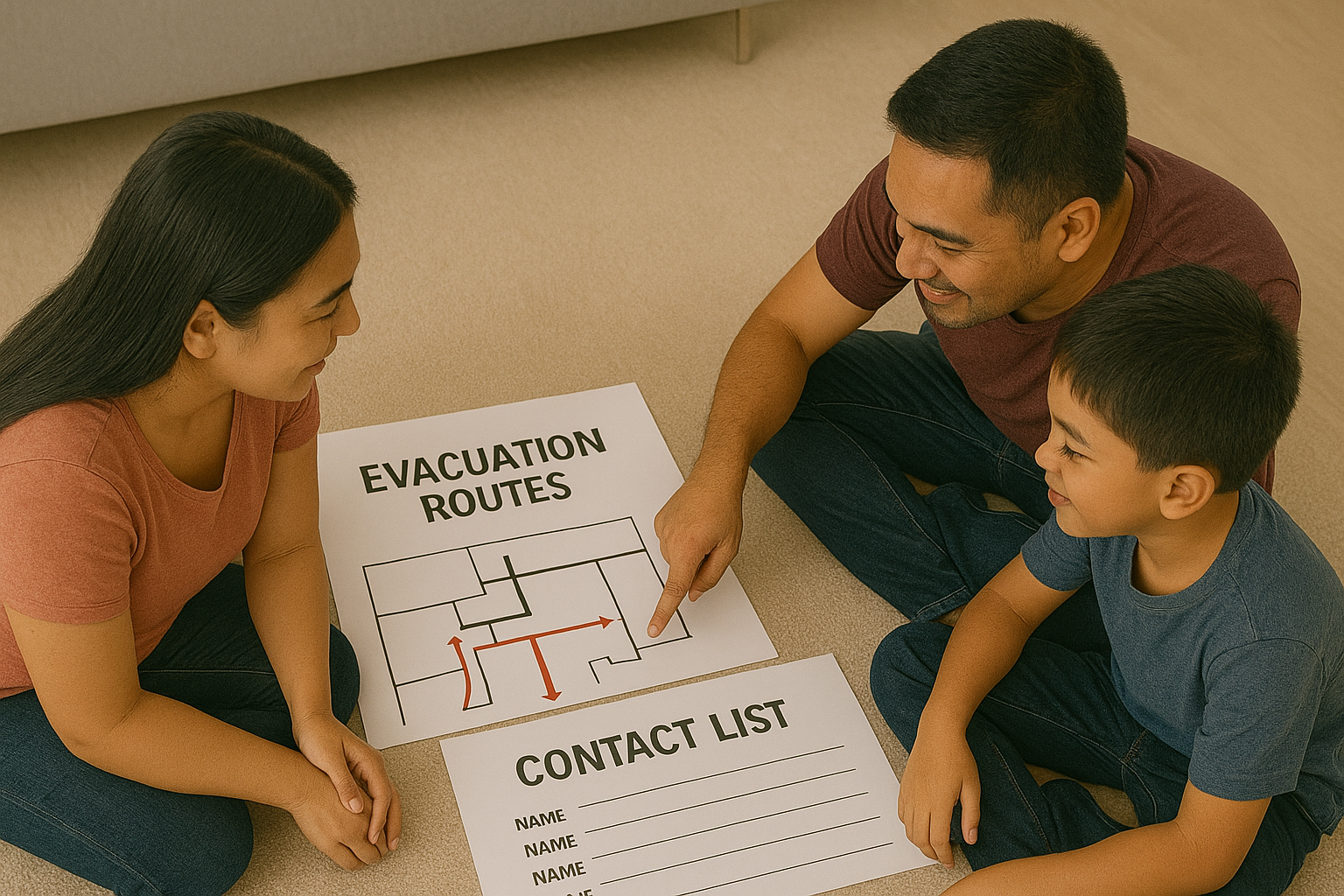
Family Evacuation Plan
Prepared families don’t decide during emergencies—they decide beforehand. Create a plan that every member understands:
● Exit routes: Identify at least two safe exits from your home
● Meeting places: Choose one near your house and one outside your neighborhood in case you can’t go back home.
● Communication plan: Decide how your family will contact each other if phone lines are down
Build an Emergency “Go Bag”
Pack essentials you might need for several days after a significant quake:
● Water (at least 3 days’ worth)
● Non-perishable food
● Flashlights and extra batteries
● A first aid kit
● Important documents and phone chargers
● Whistles for signaling if trapped
Keep the go bag in an easily accessible location so anyone in your household can grab it quickly. SafeNest teaches families and institutions how to tailor go bags specifically for households with babies and young children.
In a High-Rise Condo?
Metro Manila has many condominiums. In tall buildings:
● Don’t use elevators after shaking—use stairs instead
● Move to interior safe zones, avoid windows
● Know the building’s evacuation policy and exits
Practice and Review Regularly
Regular drills help everyone respond calmly and efficiently. Review your plan every 6 months, especially after changes in residence or household members.
After the Earthquake
● Even after the shaking stops:
● Expect aftershocks—they can be strong
● Check for injuries and administer basic first aid if needed
● Inspect utilities like gas, electricity, and water before using them again
Why Preparedness Matters
Earthquakes can strike without warning. While buildings are engineered to resist shaking, knowing how to protect your family inside your home can save lives and reduce panic. Children look to adults for cues during emergencies. When adults are trained and calm, children feel safer and follow instructions more easily.
SafeNest’s earthquake preparedness training focuses on child‑centered safety, helping parents, caregivers, schools, and communities respond effectively together.
Preparedness starts before the shaking begins.
Join SafeNest’s child safety and emergency preparedness training programs designed for Metro Manila families, schools, and residential communities.
👉 Contact SafeNest today to schedule a training session or learn more about our programs.